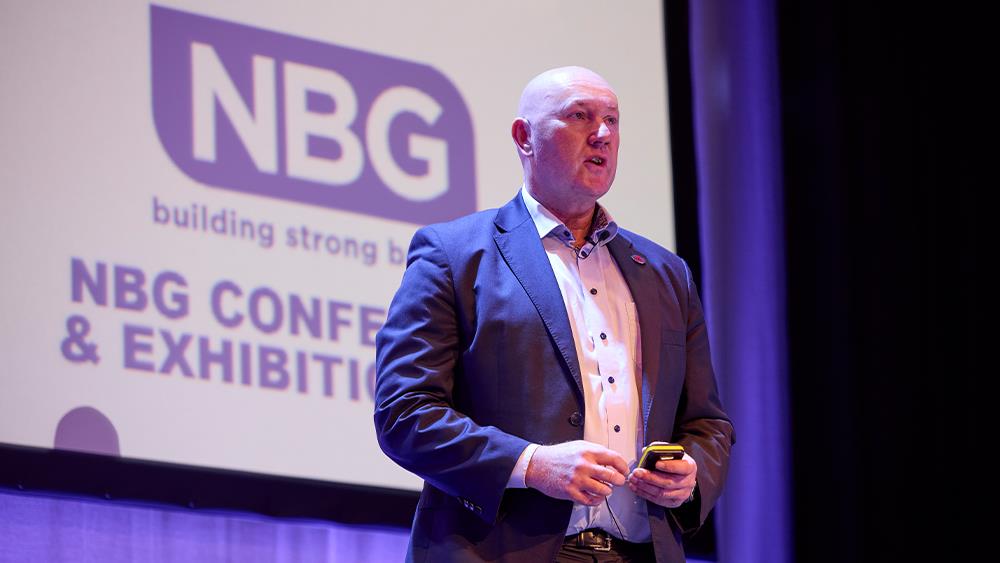


Just over a decade and a half ago, David Harger walked into Harris & Bailey as a 16-year-old on work experience, clueless about the difference between a tee and an elbow. Recently made Sales Director, he reflects on his experience as a newcomer and offers some thoughts on how merchants can make the industry more inviting to young people.
My career started out with six weeks of unpaid work experience which became a part-time job, then a full-time role after college. Sixteen years later I am still here with that early experience having shaped how I see the industry. It can be welcoming and instructive, but it can also be difficult for young people who do not know the range of opportunities the merchant sector offers.
My first day was a little daunting. I began on the trade counter and was given basic tasks, but the people I worked with were brilliant at talking me through products and customer queries. There was no official mentorship programme; training was informal and I learned on the job from colleagues who were patient and willing to explain the practical stuff as we went along. That hands-on coaching made the difference — it turned a nervous teenager into someone who could talk confidently to customers and learn the business from the ground up.
Across the country we don’t seem to attract many school leavers into merchanting. We get work-experience students from time to time, and occasionally someone in their early twenties, but the steady stream of younger applicants simply is not there. Part of the problem is perception: when people hear “merchant” they often imagine physical labour, bricks and mortar, and assume the only route in is working on the yard or loading vans. That is a narrow view and it stops many potentially good recruits from even considering a role in merchanting.
The industry has many roles beyond the counter and the yard including IT, accountancy, stock management systems, logistics planning and customer service — all career paths that could appeal to people with a wide variety of skills. If we want young people to consider joining this career, we must show them this range. Ensuring clear job descriptions will help, as will case studies of colleagues who have progressed into non-manual roles, and school-focused outreach that demonstrates the variety of day-to-day work.
Investing in training and people is a huge part of making progress here. Being part of a buying group such as National Buying Group helps create the margin headroom needed for this type of investment because pooled purchasing makes it possible to compete on price and availability. As a builders merchant that operate in plumbing, timber and bricks and blocks, those savings are crucial and free up resources to offer structured induction and on-the-job training that a solo operator might struggle to fund.
The NBG network also provides opportunities for sharing best practice between Partners, which can include recruitment ideas and school engagement initiatives.
Some changes merchants should consider when trying to engage young people are:
We are not alone in facing recruitment challenges and we have the tools to make the industry more accessible. Support from NBG eases pressure, thereby facilitating better outreach. Structured on-boarding will make roles clearer and more attractive; and a conscious effort to showcase the range of merchant careers will address the perception problem. If we do these things collectively, I believe more young people will consider merchanting as a viable and satisfying career, not simply a summer job.