
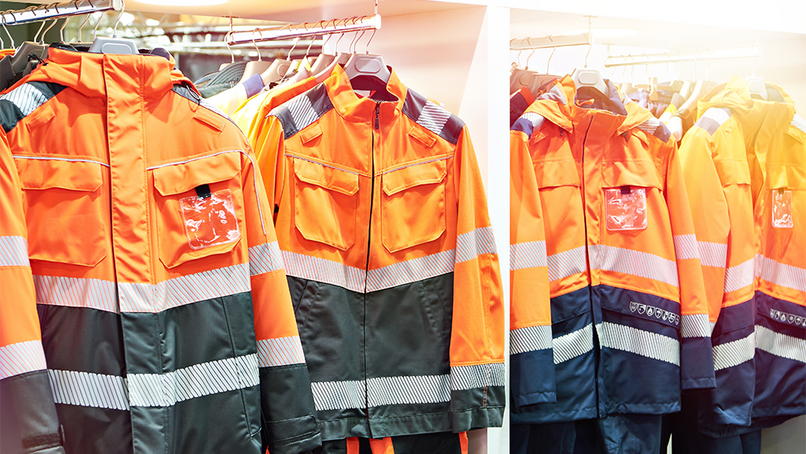
The winter months and their wet and cold weather bring many challenges to the construction sector and its workers, with one of these being the need for extra workwear maintenance, says Adam Halewood, Head of Sales at Clothes2order.
The harsh weather conditions can exaggerate dirt and debris, leaving PPE looking worse for wear and uncomfortable to use. Correct upkeep during these months helps maintain garment performance and wearer visibility, but laundering mistakes are common.
Don't skip the pre-wash tasks
When we've changed out of our wet and muddy clothes after a day at work, most of us will throw them straight into the washing machine with little thought, but this is the first mistake many make.
With workwear becoming heavily soiled with mud, dust and other debris from building sites in the winter months, it is important to remove as much of this before clothing items go into the washing machine, not only to ensure all dirt is removed during the laundry process, but to keep your washing machine in top condition.
You can usually shake excess dry debris from clothing or gently wipe items down with a damp cloth to remove surface marks, so it doesn't have to be a time-consuming step. Always avoid harsh scrubbing, especially on hi-vis pieces, as this can damage reflective material, leading to non-compliance with safety guidelines.
Once surface grime has been removed, always fasten up items and turn them inside out before putting them in the washing machine. This stops zips, Velcro and other fastenings from snagging on the items during the wash cycle, protecting from pulls, scratches and holes being made in the material.
Avoid harsh wash cycles
Once the item of PPE is ready for the washing machine, the next most common mistake made is using harsh cleaning cycles, which can cause fluorescent-coloured fabrics to fade fast and shorten garment lifespan.
When washing workwear, you should follow the manufacturer's care label instructions in the first instance, but generally it is advised to avoid running hot water cycles; instead, opt for a cool temperature of 30°C. While it may be tempting to use stain remover or bleach on stains, these harsh chemicals can damage the fibres within clothing, leaving it at risk of developing holes and needing to be replaced more frequently, so they should also be avoided unless the care label suggests otherwise.
The best practice is to use only mild detergent on a cool wash and a gentle cycle. To be extra sure that all the detergent residue has been removed and won't cause any future damage, an extra rinse can also be used at the end of the cycle.
Check before you tumble dry
Most workwear needs to be air-dried, unless the label specifies it is safe for the tumble dryer. The high temperatures used in tumble dryers can cause clothing to shrink, and with hi-vis items, this can lead to reflective strips becoming dull, degrading and in some extreme cases, melting. While we typically have our radiators on during the winter months, drying PPE directly on these should also be avoided for the same reasons.
If you find your items are still holding a lot of water after their wash cycle, never wring them out, as this can cause damage to the material. Instead, put them back into the machine for a spin-only cycle to help remove the excess moisture, before hanging them to dry on an airer in a well-ventilated room.
It is really important to keep on top of PPE workwear maintenance all year round, but in the winter months, extra care should be taken to ensure protective clothing remains in good condition.
The weather in winter not only brings more dirt to construction sites, but days with little daylight, rain and fog bring poor visibility, making compliant hi-vis clothing even more vital to workplace safety.