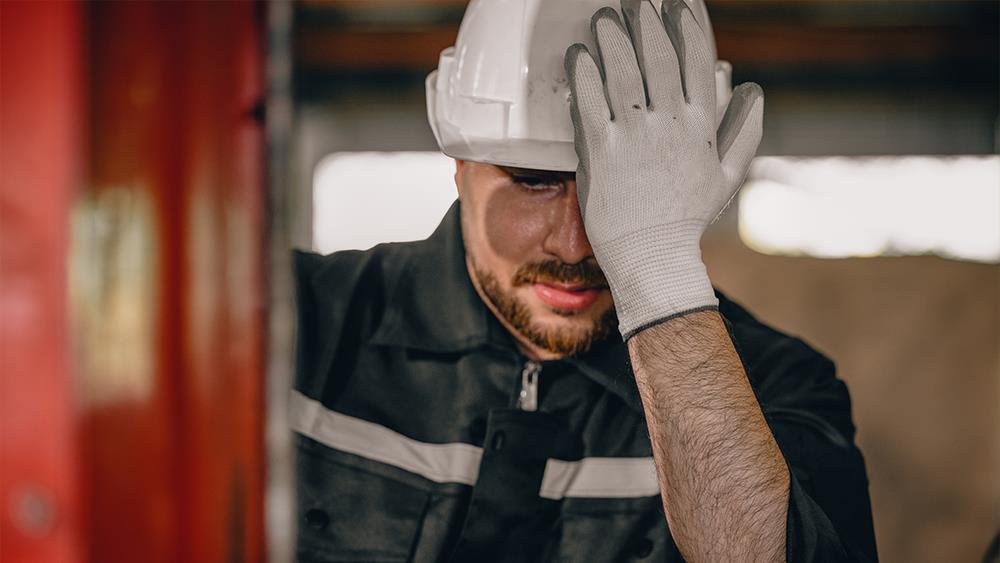
Image: AU USAnakul/Shutterstock


The training provider is aiming to help turn awareness of the sector’s mental health crisis into real, actionable support.
Despite growing awareness, construction in the UK continues to face one of the highest suicide rates of any industry, with workers around three to four times more likely to die by suicide than the national average, and an estimated average of two construction workers taking their own lives every working day. In the last decade, more than 7,000 construction workers have been lost to suicide, highlighting a devastating human cost to poor workplace wellbeing.
However, mental health support in construction often isn’t consistent across sites or teams. DMR Training is determined to change that; treating mental wellbeing as a leadership responsibility, not an afterthought. In 2026, the organisation is placing a renewed focus on embedding mental health awareness into training, assessments, and day-to-day engagement with employers.
Behind the headlines are real people. Research suggests that 73% of construction workers have been affected by mental ill health, with many struggling silently under long hours, job insecurity and a culture where opening up has not always felt possible.
“Construction has long been an environment where vulnerability is discouraged. But skills, safety and productivity are inseparable from mental wellbeing. If we want a sustainable workforce, we have to normalise earlier conversations and build real support into how the industry operates,” said Dave Radley, Founder of DMR Training.
DMR Training’s approach is grounded in lived experience and partnership-led change. Last year, the organisation partnered with Andy’s Man Club on a campaign focused on mental health awareness in the construction industry - a collaboration that reflected Radley’s own journey with mental health and his background in professional rugby, where conversations around pressure, performance, and resilience are becoming increasingly open.
Rather than treating mental health as a one-off campaign topic, DMR Training is embedding it into its wider leadership narrative:
This work aligns with a growing momentum across the industry. Organisations such as CITB have supported tens of thousands of workers to complete mental health awareness training in recent years, while charities including The Silent Voices are seeing increased engagement from construction leaders seeking practical solutions.
DMR Training’s campaign puts leadership at the heart of change, encouraging those in charge to set the tone - to speak openly, challenge outdated attitudes and show that looking after mental health is part of the job. With studies showing that more than a quarter (28%) of construction workers have experienced suicidal thoughts, early intervention and visible leadership are increasingly seen as critical.
“Mental health doesn’t improve through posters alone. It improves when leaders speak honestly, when support is visible, and when people know it’s safe to ask for help. That’s the gap we’re trying to close,” added Radley.