The Bathroom Manufacturers Association CEO, Tom Reynolds, forecasts a water crisis ensuing unless immediate action is taken to shore up our failing water infrastructure.
In my previous role at the British Ceramic Confederation, we were very vocal when the Rough gas storage facility closed about five years ago.
Rough was located in the North Sea and accounted for a considerable proportion of the UK's gas stockpile. We reasoned that its loss would leave our members, large industrial gas users, vulnerable to any future volatility in the energy market. Here we are half a decade on, with government wargaming and possible energy rationing.
On energy, we are now living with the consequences of not investing in infrastructure like gas storage. At the Bathroom Manufacturers Association, my focus is water policy, as bathroom products rely on a secure supply to function and fulfil customer expectations. On water, there are all too many familiar echoes of the situation with gas.
The summer of 2022 brought into sharp relief not only the effects of climate change but that of the UK’s ability to manage its water networks. Cast against a backdrop of widespread drought alerts, Sir John Armitt, chair of the National Infrastructure Commission, has called for direct investment into water infrastructure to create new reservoirs and reduce waste.
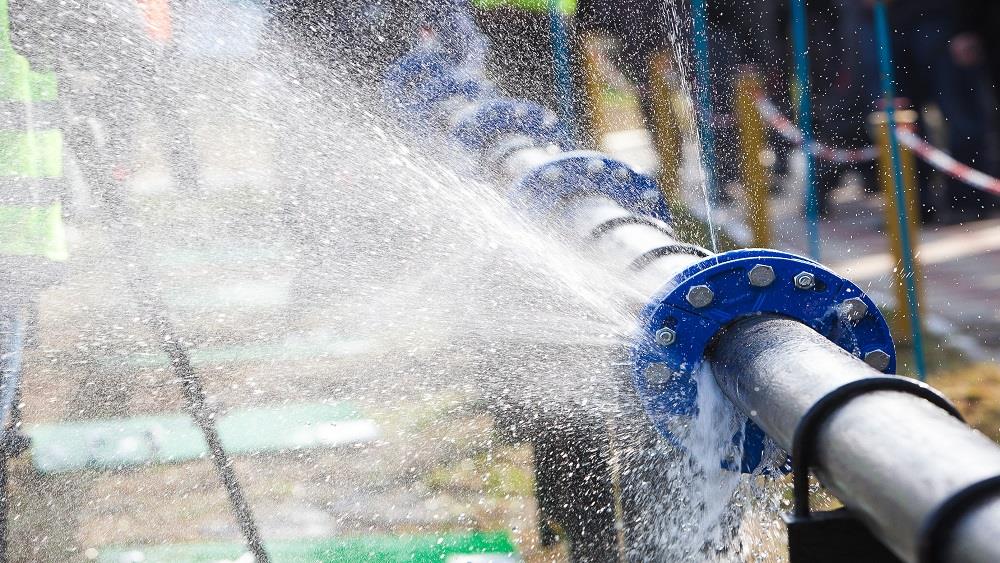
The sticking point will be who pays for it. With reports of water company executives receiving significant annual bonuses while approximately three billion litres of water is lost through leaky pipes in England daily, it’s difficult to comprehend how consumers will stomach their water bills rising.
Water demand is set to grow, with current thinking suggesting that the UK will be in a water deficit of four billion litres per day by 2050.
Formed in 2020, The Senior Water Demand Reduction Group set out to advise government departments and regulators on such matters, but the government disbanded the group in August this year.
In the apparent absence of political and regulatory appetite for action, at least for now, it seems the onus is on water demand reduction. Resilience, seemingly, rests with the customer.
Amidst a rather gloomy outlook, there are small rays of hope. Anglian Water recently announced proposals to build two new reservoirs in the East of England, with construction potentially beginning by 2030. Considering the lack of new reservoirs in England since privatisation began in 1989, is this enough?
On a global scale, the recently announced Valuing Water Finance Initiative, formed by Ceres, hopes to engage with over 70 of the world’s most significant corporate water users and polluters. It has the backing of major investors and will closely examine water quality and stewardship to mitigate increased water supply risk. It’s welcome that large corporates are becoming increasingly aware of the need for action, but more must be done urgently.
Consumers can only do so much to change their behaviour to use water more wisely. Bathroom manufacturers are innovating water-saving efficient products to help, but alongside this, there must be major investment in essential infrastructure. Of course, merchants on the civils side of the industry will make a major contribution.
Will policymakers learn from this year’s droughts? The narrative surrounding our limited reservoirs, leaky pipes and hosepipe bans are everywhere, but there is a distinct silence from a political and regulatory view.
If action is not taken to improve infrastructure urgently, a water crisis could soon be added to the current energy crisis, creating an impactful double-whammy for us all.