

As extreme and unpredictable weather becomes more frequent, Russell Roof Tiles is urging the construction sector to factor the changing climate into roof design from the specification stage.
Storm Goretti marked the start of 2026, bringing with it exceptionally strong winds, heavy snowfall, and significant rainfall – gusts of wind reaching 99mph prompted red weather warnings in parts of the Southwest. Despite breaking two records placing it in the top three hottest and sunniest years alongside 2022 and 2023, last year also featured several major storms, including storm Eowyn with wind gusts exceeding 90mph.
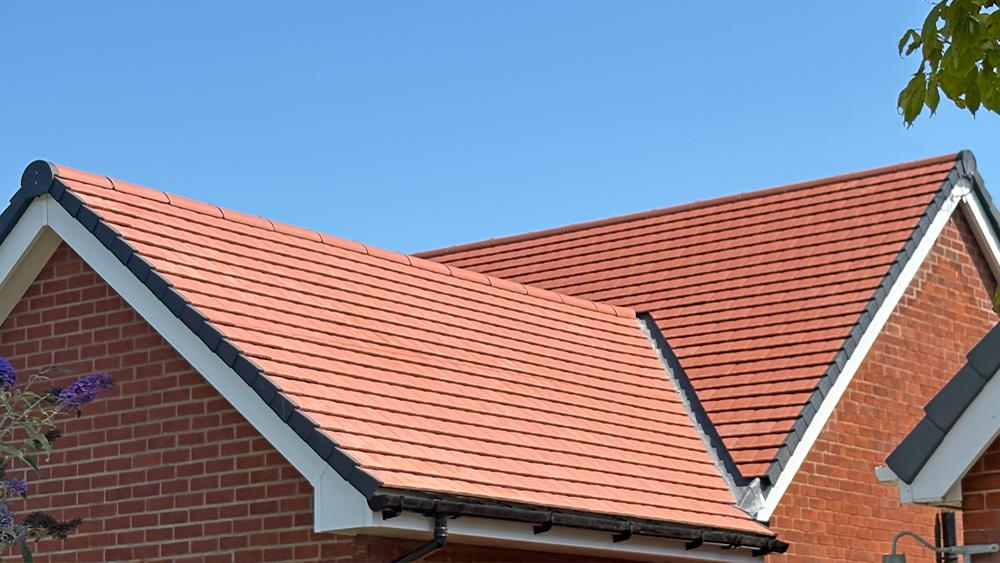
Strong winds are the most common threat to roofs, uplifting tiles and damaging structures, but excessive rainfall, ice, sunlight, heat, and snow can be equally harmful. A well-designed pitched roof protects against solar overheating in summer and shields against wind-driven rain and snow in winter. Incorrect specifications can leave roofs vulnerable to severe weather, which can greatly affect their durability and performance which, after prolonged exposure, can lead to costly damage over time.
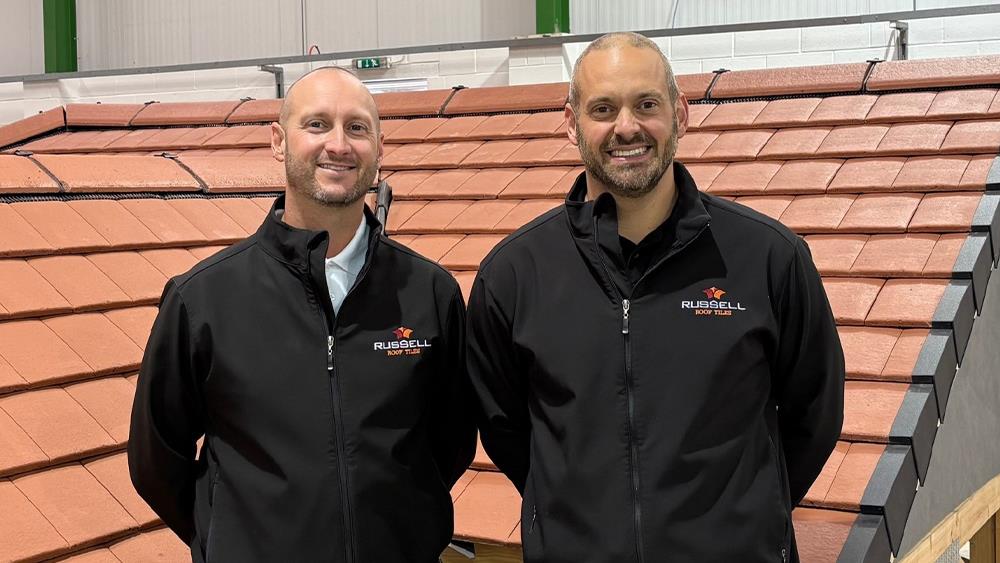
Mark Parsons, Technical Director at Russell Roof Tiles, explained: “When specifying a roofing solution, key factors to consider include the building’s location, structure and use, alongside regional weather trends. Taking current weather patterns into account during the specification process is critical to prevent the installation of unsuitable roof products and ensure optimal performance and the safety of occupants.”
The increase in storm activity makes it more important than ever to make sure roof products are fitted correctly. Following UK standards (BS 5534:2014+A2:2018), accounting for local wind conditions, for the installation of tiles ensures durability, while using properly specified underlays, provides extra protection against wind-driven rain, thermal movement, and freeze-thaw cycles.
When considering materials and components for roofs, it is essential to choose products with a proven track record from a reputable manufacturer to ensure they comply with building regulations and standards.
Specified products must also be made from durable, high-quality material to ensure they can withstand all weather conditions. For example, many Dry-Fix roofing accessories on the market contain plastic, so when we experience sustained high temperatures, these components can become damaged.
Parsons continued: “We work with architects, specifiers, installers/contractors and building control to ensure all of our products meet all necessary design requirements. We examine the geometry and the site location in conjunction with exposure, roof pitch and rafter length when assessing the roofs’ long-term ability to withstand the unpredictable British weather.”
[1] Storm Goretti: Key stats from the multi-hazard event - Met Office
[2] 2025 is double-record breaker: UK’s warmest and sunniest year on record - Met Office