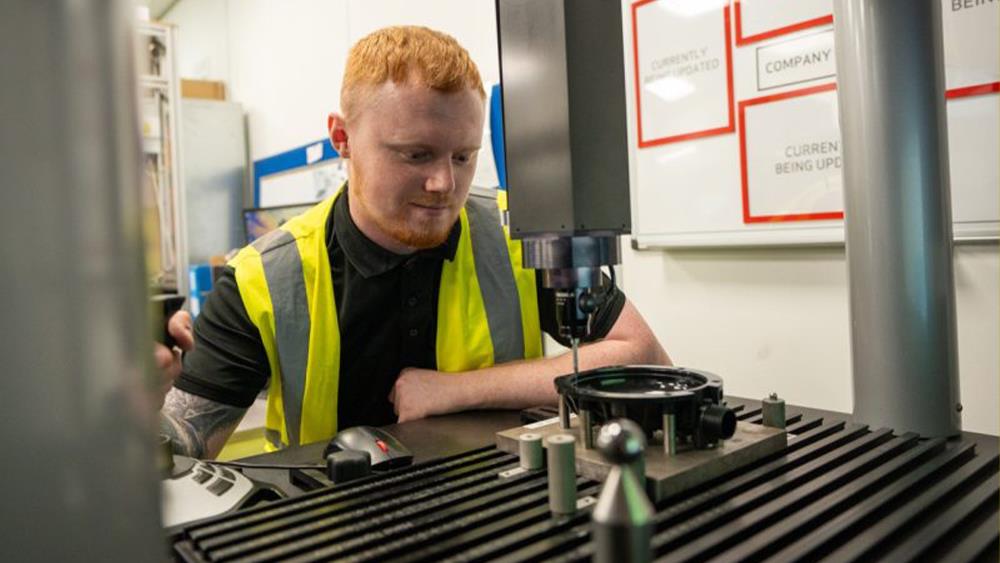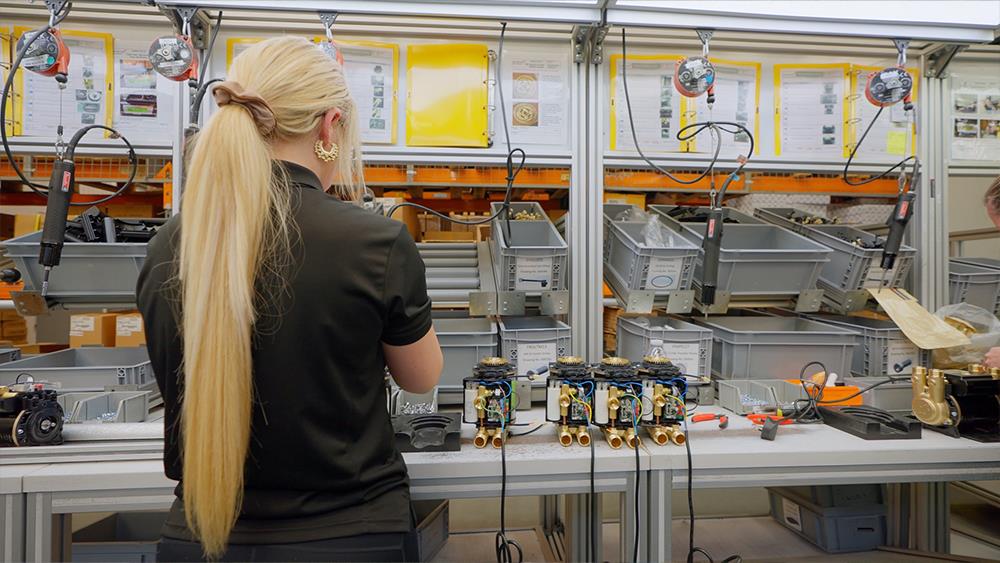


Salamander Pumps is calling on merchants to take a stronger stance against low-quality imported pumps entering the UK market.
Salamander Pumps is asking merchants to protect installers, consumers and their own reputations by choosing fully tested, fully compliant, UK-made products.
At a time when non-compliant imports from overseas are increasingly appearing online and within supply chains, Salamander Pumps is highlighting the critical importance of safety, testing and standards within the industry.
The advice is to choice Made-in-Britain-accredited manufacturers, and ones that use independent third-party testing alongside internal testing procedures to confirm full compliance.
Third-party testing means an independent, impartial organisation has tested, inspected and confirmed that products meet specific quality, safety, and performance standard. This offers assurances to customers that requirements are consistently met beyond just self-declaration.
Merchant should look out for UKCA and EC marks, demonstrating adherence to all relevant UK and EU regulations, as well as for products designed and manufactured to meet BSI (British Standards Institution) and EN (European) standards for household electrical appliances, ensuring installers can specify with complete confidence.
Salamander Pumps is urging installers to prioritise quality and independent compliance over alternatives, reinforcing that British-made pumps offer the reliability, safety, and performance essential for long-lasting installations.
Gareth Richards, Technical Director at Salamander Pumps, said: “Installers deserve products that won’t let them down. Imports may look attractive on price, but the hidden risks are significant, from non-compliant electrical components to inconsistent performance.
“A few pounds saved upfront can easily lead to costly call-backs, failures, or even safety hazards.”
“We’re proud to manufacture here in Britain and proud to uphold the standards our industry is built. Our message is simple: choose products that are independently tested.”